REVIEW · PLAYA DEL CARMEN
Playa del Carmen: Chichen Itza Early Tour with Expert Guide
Book on GetYourGuide →Operated by Amigo Tours LATAM · Bookable on GetYourGuide
Waking up early pays off fast. This Chichén Itzá sunrise tour gets you into the UNESCO site soon after daybreak, when the pyramids look golden and the crowds are still thin. You’ll ride out from Plaza Las Perlas and come back with a guided walk that explains what you’re seeing, not just where to stand for photos.
I especially love the front-row feeling of arriving at sunrise, plus the way the site tour is guided by a local bilingual expert. Highlights like the Temple of Kukulkan and the huge ball court in Mesoamerica are much easier to understand when someone connects the shapes to the Mayan story.
One thing to consider: it’s a long day with a lot of walking at a major archaeological site, and the tour isn’t suitable for wheelchair users.
In This Review
- Key things that make this Chichén Itzá tour worth your time
- Sunrise at Chichén Itzá: why early entry changes everything
- Getting there from Playa del Carmen (Plaza Las Perlas) without losing your morning
- Inside Chichén Itzá: photo stop, guided walk, and time to breathe
- Temple of Kukulkan: the main act and what your guide should help you notice
- The ball court in Mesoamerica: more than a side stop
- Your guide matters: bilingual storytelling that makes the ruins easier to read
- What you’ll actually pay: $83 ticket value plus the Chichén Itzá tax
- Lunch plans and on-the-road meals: check what’s actually included for your date
- What to bring for Chichén Itzá sunrise day (and what not to bring)
- Who this tour fits best (and who should pick something else)
- Should you book this Chichén Itzá early tour from Playa del Carmen?
- FAQ
- How long is the tour?
- Where do I meet the guide?
- Is entrance to Chichén Itzá included in the price?
- How much is the Chichén Itzá tax and how do I pay it?
- What language is the tour guide?
- Do I need to bring my own food or is lunch provided?
- Does the tour help me skip the ticket line?
- What items are not allowed at the site?
- Is the tour suitable for wheelchair users?
- What’s the cancellation policy?
Key things that make this Chichén Itzá tour worth your time
- Sunrise timing for better light and fewer crowds at the start of the visit
- Skip-the-ticket-line entry so you spend more time inside and less time waiting
- Bilingual expert guide (Spanish/English) with real explanations while you walk
- Temple of Kukulkan + the largest ball court as the core sights
- Round-trip transport starting from Plaza Las Perlas (with pick-up/drop-off described for the area)
Sunrise at Chichén Itzá: why early entry changes everything
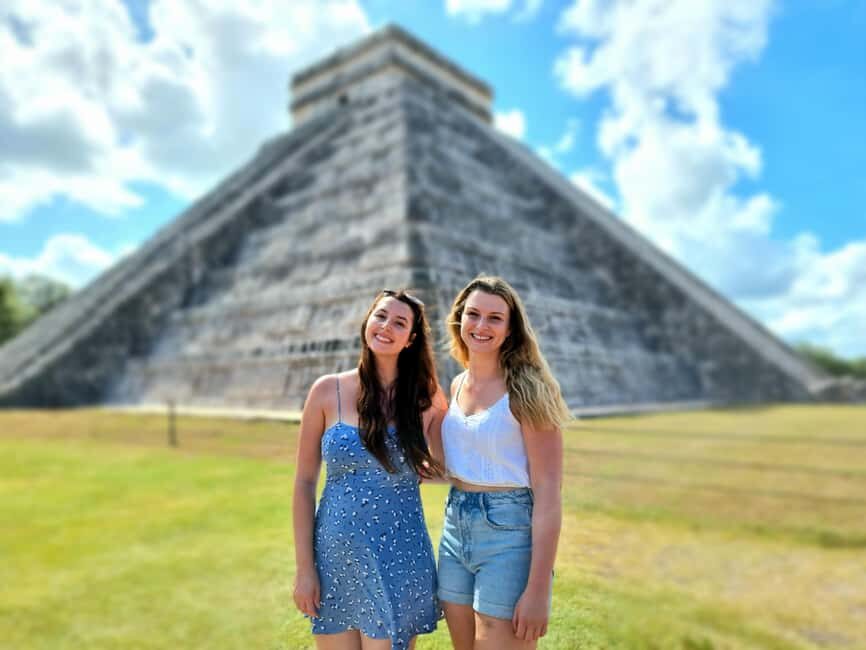
Chichén Itzá is famous, which means it attracts lines, heat, and people who are speed-running their own photos. The big reason this tour feels special is simple: you’re there when the light is soft and the flow of visitors hasn’t fully taken over.
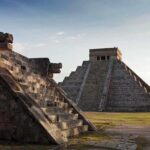
At sunrise, the monuments look more alive. The pyramid surfaces catch warm color as the day starts, and the whole site feels calmer while your guide points out details you’d otherwise miss. If you’ve ever visited major ruins when the sun is blasting overhead, you’ll understand why this matters.
You also get a visit structure that’s focused. Instead of scattering your time across lots of add-ons, you spend your day on the archaeological core: walking, photos, and guided interpretation.
Other early access chichen itza tours at Chichen Itza & the Yucatán
Getting there from Playa del Carmen (Plaza Las Perlas) without losing your morning
The tour runs 9 hours total, with a scheduled ride time of about 2 hours to Chichén Itzá and about 2.5 hours on the return. In other words, expect the day to be more than a short hop; it’s a proper trip to one of the Yucatán’s top sites.
Your starting point is Plaza Las Perlas, and the exact meeting details are confirmed the day before your tour. In practice, early tours can involve transfers—some people reported arriving via pickup coordination that involved more than one vehicle step before joining the main coach. If you’re the kind of traveler who hates surprises, read your instructions carefully and keep your phone handy the night before.
The payoff is that you’re not wasting prime daylight on traffic and late arrivals. A guide can only do so much when you’re rushing, so leaving early is what keeps the experience feeling paced.
Inside Chichén Itzá: photo stop, guided walk, and time to breathe
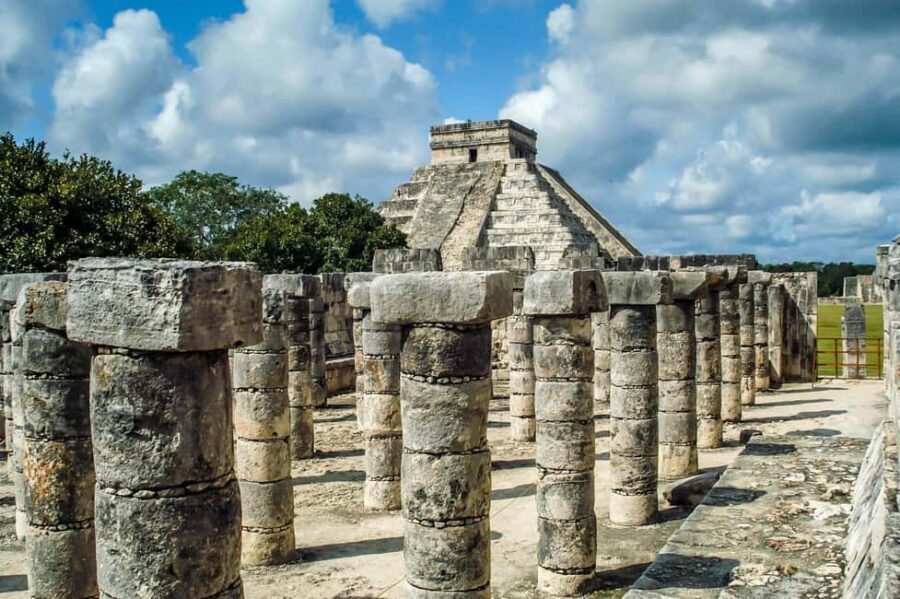
Once you reach Chichén Itzá, you get a photo stop and then a guided portion of the visit. The schedule includes a guided tour plus free time for about 2 hours, which is a nice mix: you learn the big ideas first, then you can wander with context.
Here’s what that combo is good for. A first-timer can easily stare at the main pyramid and miss the way the city is laid out—temples, platforms, and ceremonial spaces that connect as one plan. A good guide helps you orient quickly, so when you get your free time, you’re not just walking in circles.
Also, the tour is designed to help you avoid the heaviest bottlenecks at the beginning. One repeat theme from guide experiences in this route: arriving near opening means you get to move before the densest clusters form around the most photographed structures.
Temple of Kukulkan: the main act and what your guide should help you notice
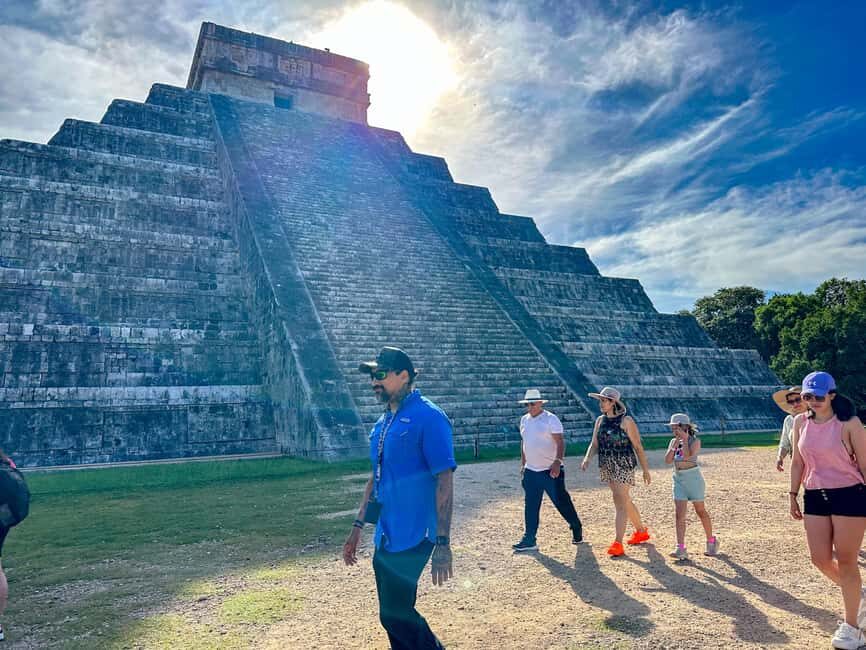
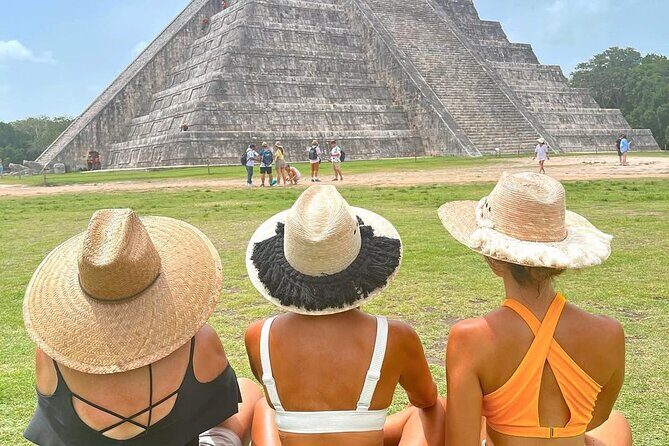
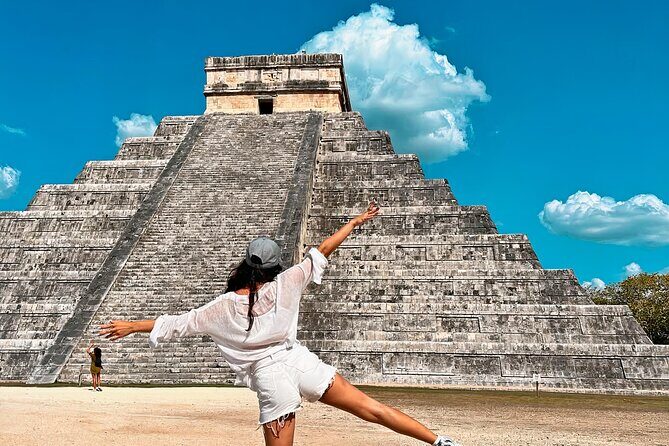
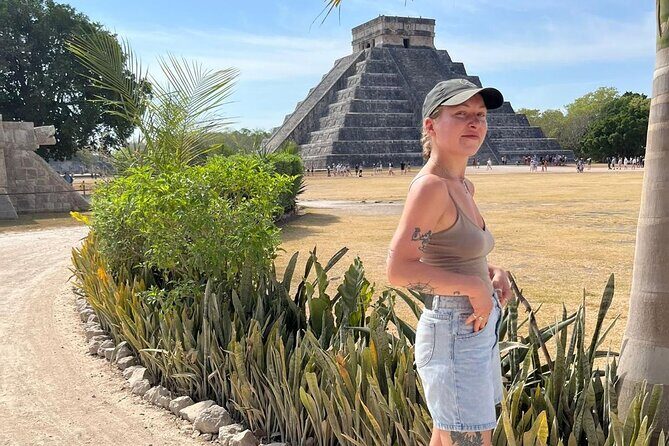
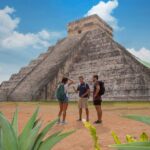
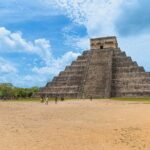
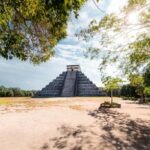
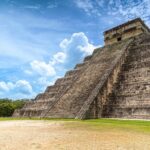
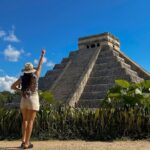
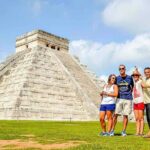
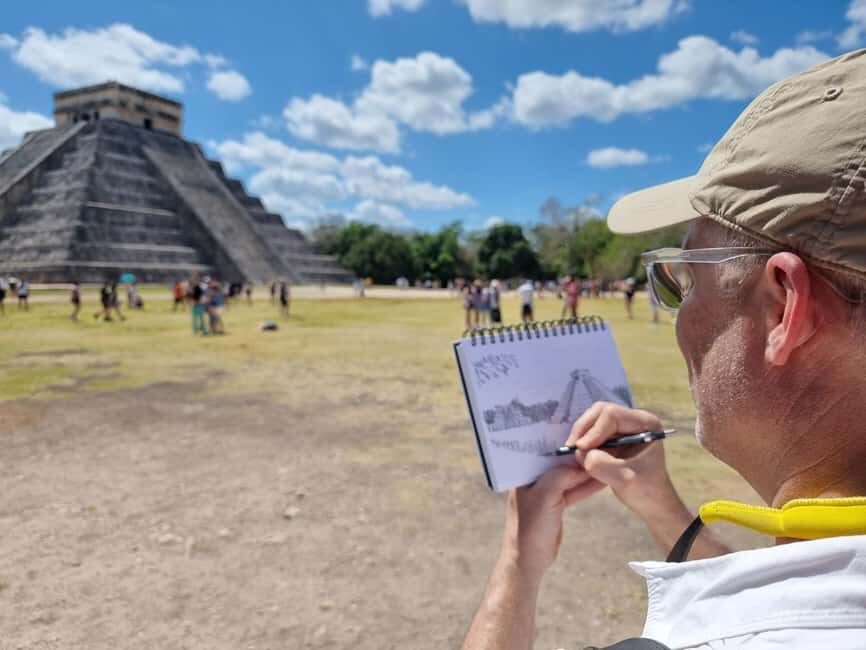
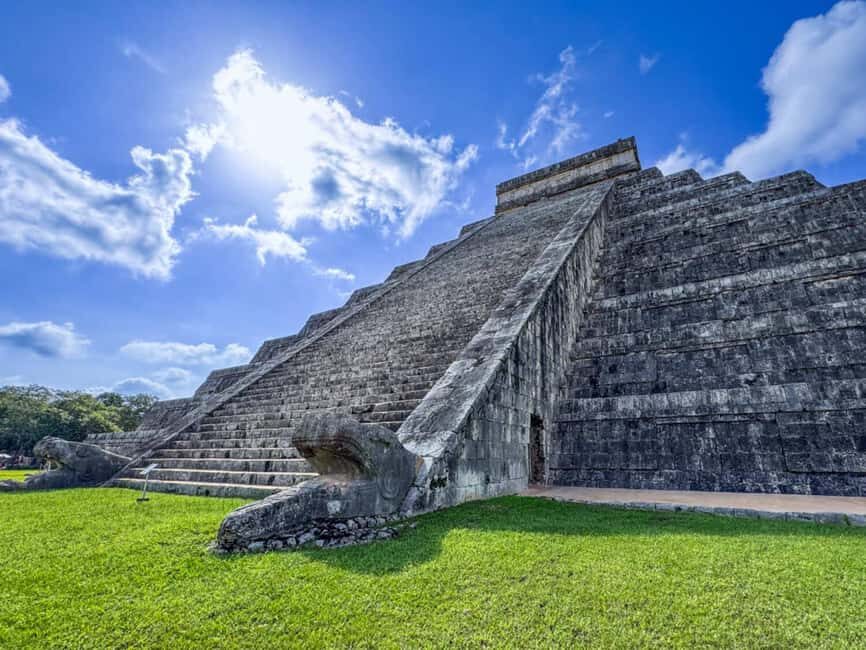
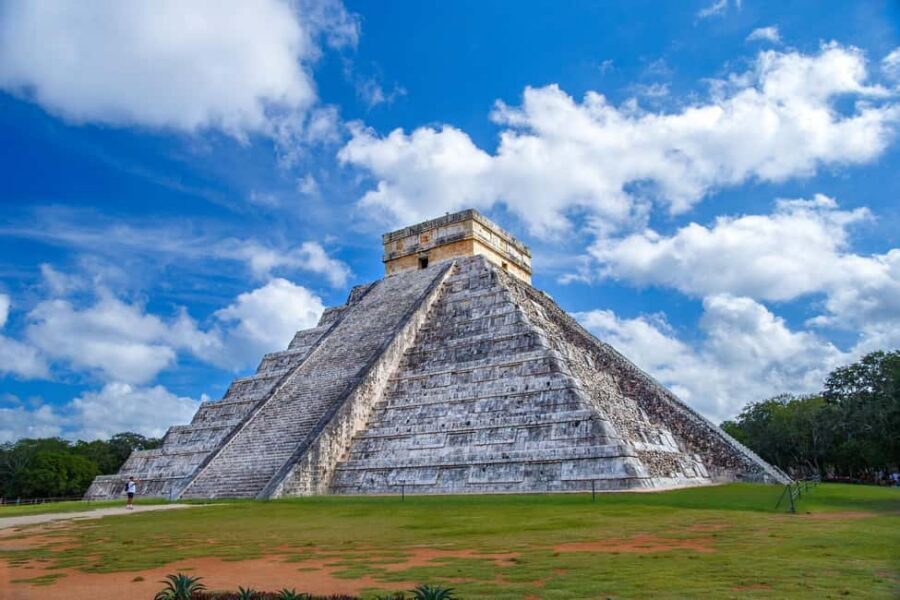
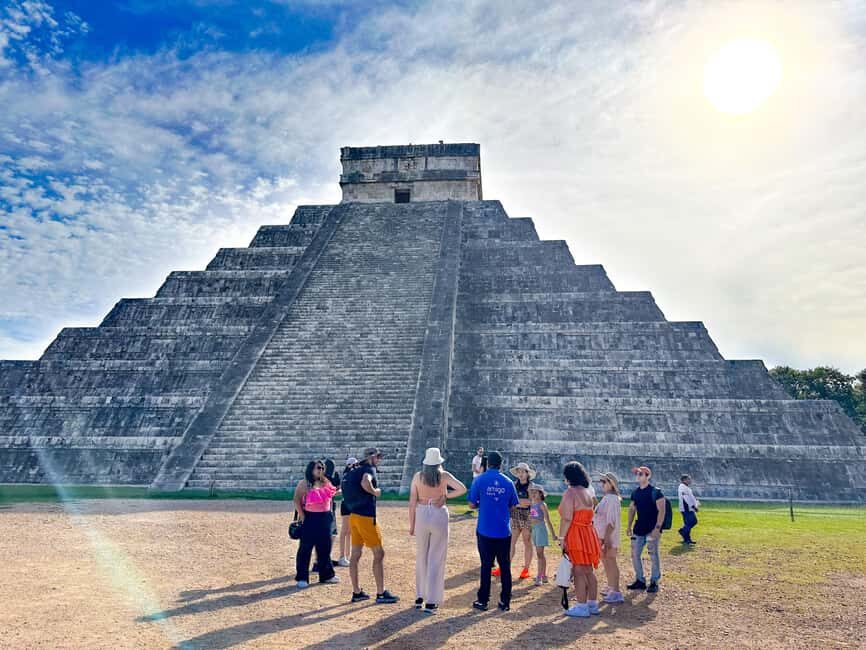
The Temple of Kukulkan is the star sight here, and it’s worth understanding why. This pyramid isn’t just an impressive building; it’s part of how the Mayans designed ceremonial life around astronomy, ritual, and city power.
On the tour, you’ll see Kukulkan up close during your site time. Your guide’s job is to translate the visual clues into meaning: where you’re standing relative to key features, what makes the structure memorable, and how it fits the broader layout of Chichén Itzá.
If you want to make the most of your visit, ask your guide questions that connect form to function:
- What makes this temple different from other major buildings nearby?
- How would someone in ancient times experience it at a specific time of day?
- What’s the link between the city layout and ceremonies?
Different guides in this program (for example, Ramiro, Jonathan, Beto, and Alberto are among the names you may encounter) are all described as engaging and story-focused, which helps a lot when you’re looking at stone that survived for centuries.
The ball court in Mesoamerica: more than a side stop
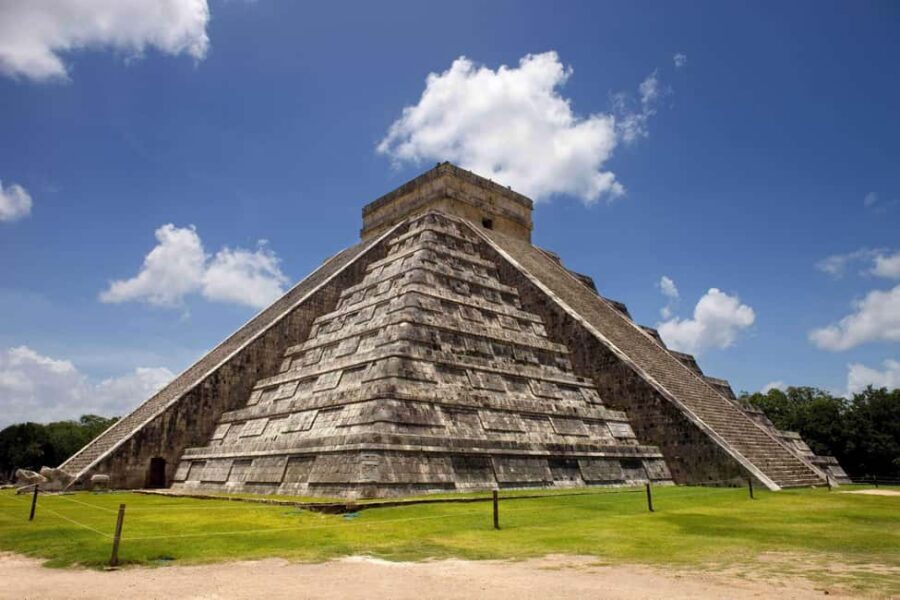
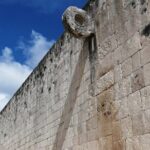
Chichén Itzá includes the largest ball court in Mesoamerica, and this is one of those spots where your guide can completely change your experience. From a distance it looks like a big open area. Up close, it reads as a designed space built for ritual and competition, not just sport.
Seeing the ball court during a guided tour helps you interpret what you’re looking at. You get a clearer sense of why the builders cared about the scale and the shape, and how it fits the city’s ceremonial rhythm.
If you’re the type who likes ruins with a story behind the stones, this is a great moment to slow down. It’s easy to rush past large structures, but the ball court is one of the best places to learn how the Mayans used architecture as meaning, not decoration.
Other chichen itza tours from playa del carmen tours at Chichen Itza & the Yucatán
Your guide matters: bilingual storytelling that makes the ruins easier to read
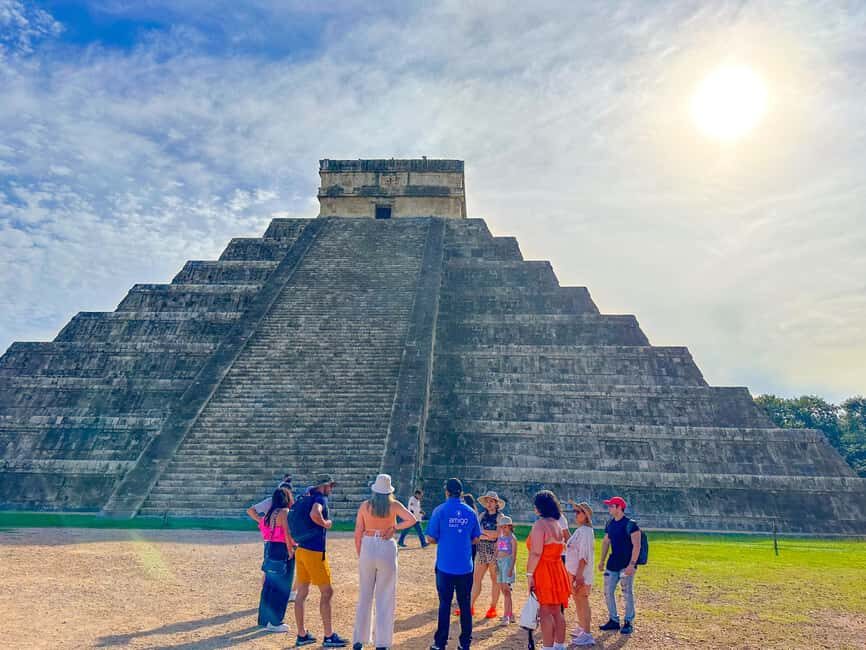
This is where the tour earns its reputation. The experience includes a professional bilingual guide (Spanish and English), and multiple guide names show up across departures: Ramiro, Victor, Jonathan, Juam (spelled that way on one itinerary record), Frank, Rodri(g)go, Pastor, Alberto/Beto, Manual, Audi, and others.
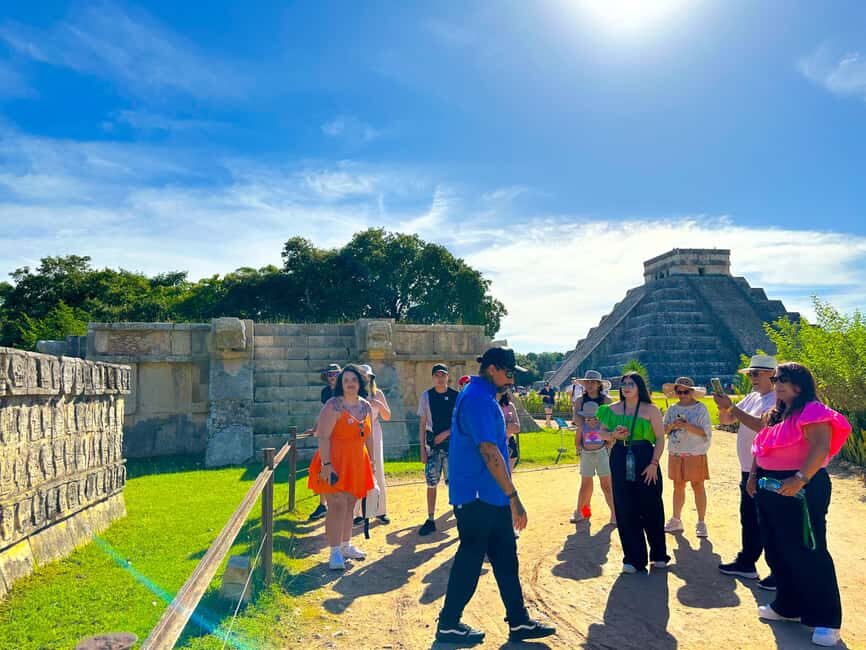
What you’re really paying for is someone who can point out what’s important fast. When a guide clearly explains the Mayan culture and history while you walk, you stop treating the site like a checklist. Instead, you start recognizing patterns: how the city is organized, what different monuments were for, and what details matter.
If you’re curious and ask good questions, these tours tend to reward it. One participant specifically mentioned asking about building methods, population structure, and class hierarchy, and getting detailed answers. That’s the kind of guide interaction that turns a famous site into a memorable lesson.
What you’ll actually pay: $83 ticket value plus the Chichén Itzá tax
The listed price is $83 per person, and the included items are solid: round-trip transportation from the Playa del Carmen area meeting point, a professional bilingual guide, and entrance to Chichén Itzá.
The big extra cost you must plan for is the Chichén Itzá tax. It’s not included, and you’re required to pay it upon arrival or the day before the tour. The amount listed is 44 USD, and it must be paid by credit card.
A few other cost cautions show up in real-world experience on this route:
- Some people reported an added small fee tied to hotel access coordination (for example, 10 USD in one case).
- Another traveler mentioned a higher-than-expected bus access amount.
These sound like operational differences, not something you can assume for every booking. Still, it’s smart to bring extra cash or have a backup plan so you’re not stressed on departure day.
When you compare value, this is how I’d think about it: early entry plus a guide plus entrance usually costs more when you book less efficiently. Here, you’re combining the “get in early” advantage with guided interpretation, then paying the mandatory site tax on top.
Lunch plans and on-the-road meals: check what’s actually included for your date
The tour rules state meals and drinks are not included. Still, some departures include a lunch stop and describe traditional Yucatán food on the return. One itinerary description mentions a buffet-style lunch where food was included, while drinks cost extra.
So here’s the practical move: don’t assume lunch is part of your package just because you see it mentioned in other situations. If you’re a picky eater, pack backup snacks and water so you don’t have to gamble with hunger.
Also, plan for the fact that you’re spending most of the day traveling and walking. If you rely on regular meals to keep your energy steady, you’ll feel better showing up prepared.
What to bring for Chichén Itzá sunrise day (and what not to bring)
The site is outdoors and you’ll be walking, so gear matters even if it’s early morning. Bring:
- Comfortable shoes (you’re on uneven stone and paths)
- Sunglasses and a hat
- Sunscreen and water
- A camera
You should also know the restrictions. Drones are not allowed, and selfie sticks are not allowed. Professional cameras are restricted too, and there’s mention of additional payment for certain types of camera use (like GoPro or professional equipment), which suggests the operator may charge if you want to use gear that’s otherwise limited.
Finally, there’s a clear photography rule: flash photography is not allowed. You’ll want to keep that in mind if you’re taking close-up shots of carved details.
Who this tour fits best (and who should pick something else)
This tour is a strong match if you want:
- A focused day at one major UNESCO site
- Sunrise entry for better conditions
- Guided context so you understand what you’re seeing
It’s not suitable if you use a wheelchair, and mobility impairments are a concern because you’ll do a lot of walking. Even if you can handle uneven surfaces, the time on your feet matters more than the bus rides.
If you love history, architecture, and mythology-driven explanations, this works well. If you’re more of a casual “I’ll wander on my own” visitor, the free time helps, but you may still want to ask your guide questions so the guided portion doesn’t feel wasted.
Should you book this Chichén Itzá early tour from Playa del Carmen?
I’d book it if sunrise entry is high on your list and you want someone to translate Chichén Itzá into a story you can follow. The combination of early access, skip-the-ticket-line, and a bilingual guide is usually the difference between a rushed visit and a truly satisfying one-day outing.
Book with extra awareness if you’re sensitive to costs that pop up on the day. Plan for the 44 USD Chichén Itzá tax (credit card required), and consider that some departures may have extra small access fees. If you’re ready for that, this tour offers real value.
If you want a simple rule: arrive early, learn first, explore next. This itinerary is built for exactly that rhythm.
FAQ
How long is the tour?
The total duration is listed as 9 hours.
Where do I meet the guide?
Meet at Plaza Las Perlas in Playa del Carmen. The exact meeting point is confirmed the day before the tour.
Is entrance to Chichén Itzá included in the price?
Entrance is included, but the Chichén Itzá tax is not. You must pay the tax upon arrival or the day before.
How much is the Chichén Itzá tax and how do I pay it?
The tax is listed as 44 USD, and it must be paid by credit card.
What language is the tour guide?
Guides are listed as bilingual, offering Spanish and English.
Do I need to bring my own food or is lunch provided?
Meals and drinks are listed as not included. You should plan accordingly, especially if you need a full meal during the day.
Does the tour help me skip the ticket line?
Yes, skip-the-ticket-line is included.
What items are not allowed at the site?
Drones are not allowed. Selfie sticks and professional cameras are also listed as not allowed, and flash photography is prohibited.
Is the tour suitable for wheelchair users?
No. It is not suitable for wheelchair users, and it involves a lot of walking.
What’s the cancellation policy?
You can cancel up to 24 hours in advance for a full refund.