REVIEW · PLAYA DEL CARMEN
Chichen Itza, Cenote Ik Kil, Coba Ruins Small Group Early Arrival
Book on Viator →Operated by Excursiones Riviera Maya · Bookable on Viator
Chichén Itzá before the crowds is the whole point. This early small-group day trip strings together three of the Yucatán Peninsula’s biggest Mayan stops, with guided time at Chichén Itzá, a real swim at Cenote Ik Kil, and jungle-quiet ruins at Coba.
What I like most is the pace for a full day: you get a simple breakfast on the way out, then a buffet lunch midway through the adventure. I also like that the group stays small (max 15), which helps you move faster through the day’s most crowded moments.
One consideration: it’s still an 11-hour day, with a long drive, early pickup, and a lot of heat once you’re on the ground. If you’re hoping for a relaxed outing, this won’t feel like that.
In This Review
- Quick takeaways before you go
- Why this early Chichén Itzá–Cenote–Coba route makes sense
- Pickup and timing: the long day reality (and how to plan for it)
- Chichén Itzá with a guide: what you should focus on
- Paying the Chichén Itzá admission fee at pickup (so there are no surprises)
- Cenote Ik Kil: the swim break you’ll feel in your body
- Coba ruins: jungle setting, big pyramid rules, and what you can do with your time
- Transfers, transport comfort, and the small-group advantage
- Food and hydration: what’s covered, what to add
- Price and value: what you’re really paying for
- Who this tour is best for (and who should skip it)
- Should you book this Chichén Itzá, Ik Kil, and Coba small-group tour?
- FAQ
- Do I need to pay extra for Chichén Itzá?
- Is Cenote Ik Kil admission included?
- What about food and drinks on the tour?
- Can I climb the Coba pyramid?
- How large is the group?
- Where does pickup happen?
- Is the tour offered in English?
- Can I cancel for a full refund?
Quick takeaways before you go
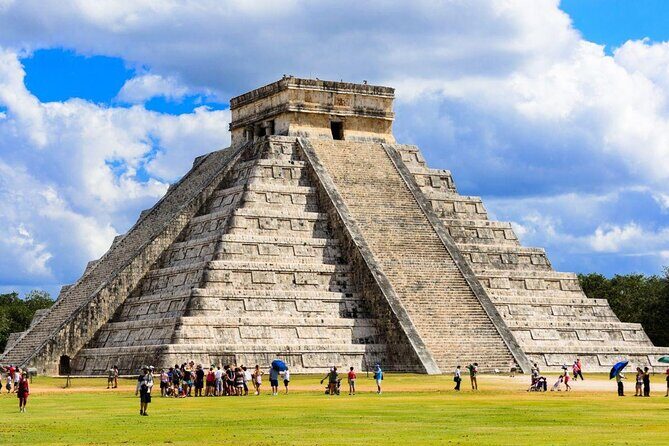
- Early arrival at Chichén Itzá helps you beat the big wave of buses.
- Small group size (max 15) makes it easier to hear your guide and keep the schedule tight.
- Ik Kil includes life jacket + lockers, so you’re not hunting for essentials.
- Chichén Itzá admission is extra, paid in cash at pickup (not in the base price).
- Coba pyramid climbing is not included or guaranteed, so set expectations early.
- English is offered, but the van can be bilingual depending on your departure group.
Why this early Chichén Itzá–Cenote–Coba route makes sense
This tour is built for people who want the classic Yucatán highlights without turning the day into a puzzle. Chichén Itzá is the star, but it’s also the busiest, so the real value is the early start and the promise of avoiding ticket office lines.
Then you get a reset that matters. Cenote Ik Kil breaks up the ruins with a cool swim, and Coba brings you into the jungle with a different vibe than the more structured feel of Chichén Itzá. If you only have one day in the area, combining all three is efficient.
The “small-group” angle isn’t marketing fluff here. A group capped at 15 means fewer moving parts, easier coordination, and less time waiting while everyone figures out where they’re standing in the heat.
Other chichen itza & cenote tours at Chichen Itza & the Yucatán

Pickup and timing: the long day reality (and how to plan for it)
You should expect an early morning departure with hotel or rental pickups across the Riviera Maya. Pickup is available in the Riviera Maya from Moon Palace to Tulum, including Puerto Morelos and Playa del Carmen, with a nearby meeting point used if your lodging has limited vehicle access or is in parts of Tulum where cars can’t drive in.
The morning start window is tight: operations list pickups tied to the Chichén Itzá opening period (5:00 AM–7:00 AM). Your exact pickup time is provided in the afternoon before the tour, which is helpful when you’re trying to coordinate morning plans.
Now the part you can’t ignore: drive time adds up. Even though the day is designed to be organized, you’re traveling between three major locations, so plan for a full-day rhythm. One of the few recurring notes is that it’s long, but most people felt it was worth it once they got ahead of the crowds at Chichén Itzá.
Practical tip: pack water, sun protection, and a light layer for the car. Heat hits fast at Chichén Itzá, and you’ll be outside for guided time plus some free exploration.
Chichén Itzá with a guide: what you should focus on
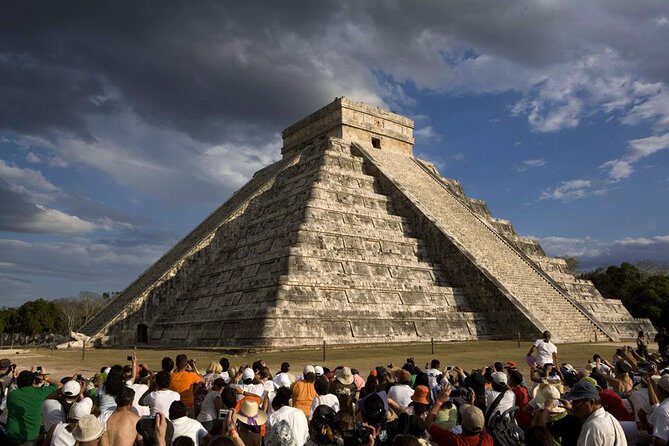
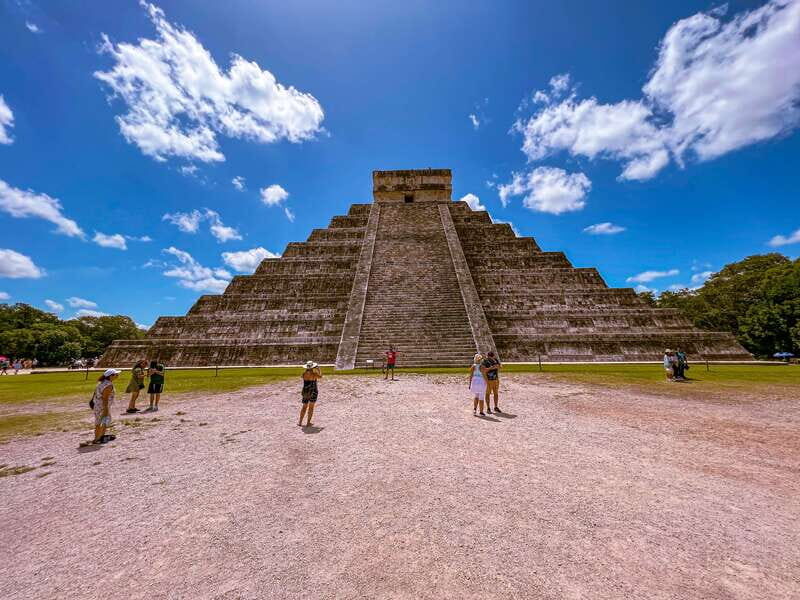
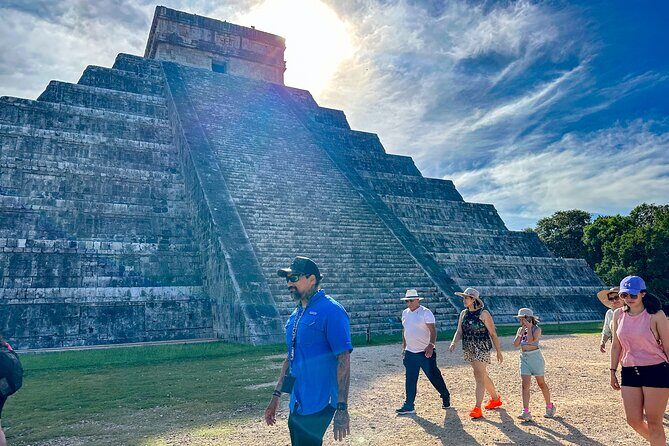
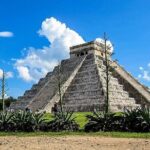
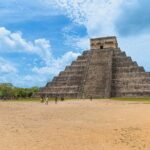
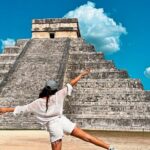
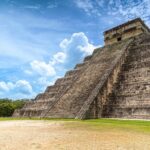
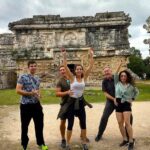
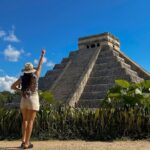
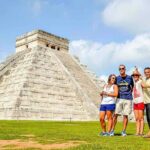
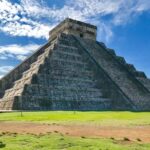
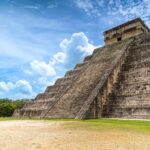
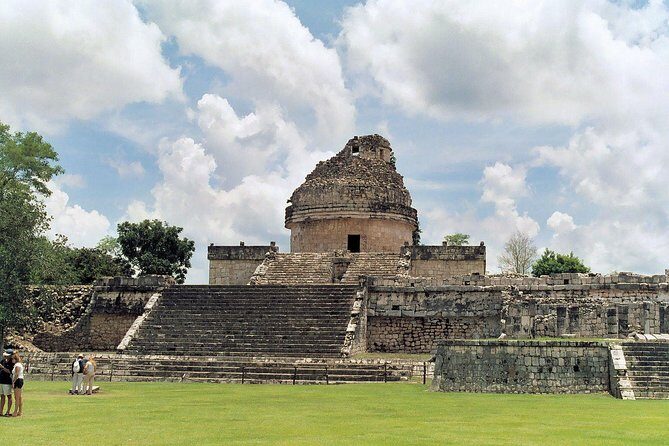
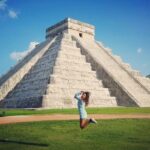
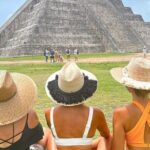
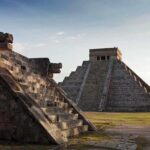
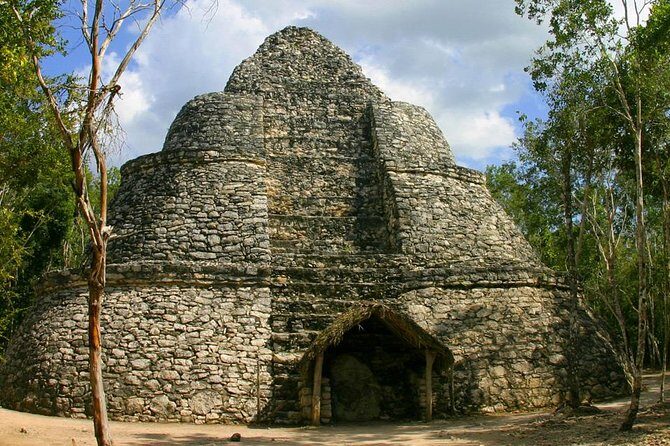
Chichén Itzá is where the tour earns its name. You’ll get guided time covering the major landmarks—think the Kukulcán Castle pyramid, the Temple of Warriors, the Venus Temple, and the astronomical observatory (El Caracol)—plus stops like La Iglesia.
Here’s why a guided walkthrough helps: Chichén Itzá is visually impressive, but the details are what make it stick. With the right guide, you’ll understand how Maya construction and symbolism connect to calendar and astronomy ideas, which turns the visit from sightseeing into interpretation.
You also get time to explore on your own. That’s important because you’ll want to linger for photos at your pace and step away from the group when something catches your eye.
Which guides can make the experience better? Based on the names repeatedly mentioned in real-world feedback, you may encounter guides like Tonantzin or Jesus at Chichén Itzá, and you might hear a lot of explanation about Maya symbols and how to watch for key features. Some groups also mention Antonio as a guide and David as a driver, with smooth logistics that help you arrive when it still feels manageable.
One small note for planning: English can sometimes feel split in practice. A few departures have run bilingual (guide switching between English and another language), so if you’re sensitive to that, keep an ear open and don’t assume every announcement stays strictly in one language.
Paying the Chichén Itzá admission fee at pickup (so there are no surprises)
The base price covers most of the day, but Chichén Itzá access is not included. You pay a mandatory Chichén Itzá access fee in cash upon boarding.
The provided details list different adult amounts depending on the section: one note says $45 per adult, while another note says 40 USD per adult, and children are listed at $5. Either way, you should plan for cash and confirm the exact amount in your pickup message so you’re not scrambling.
The tradeoff is that the process is designed to be smoother once you’re there. You’re also told there are no lines or waits at the Chichén Itzá ticket office, which can save real time during the busiest part of the day.
If you want fewer moments of stress, keep the cash ready and count it once. It’s the simplest way to protect your schedule.
Cenote Ik Kil: the swim break you’ll feel in your body
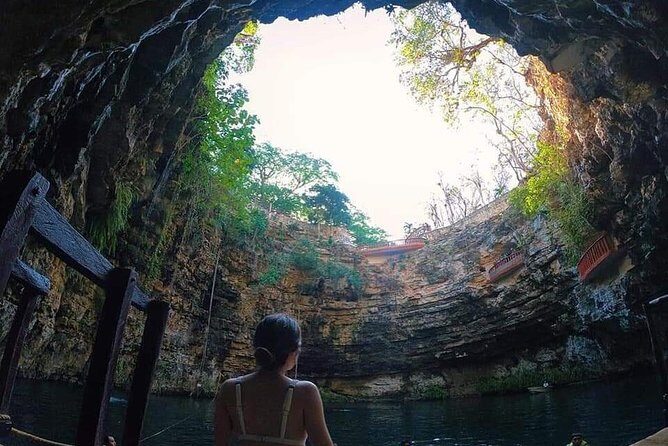
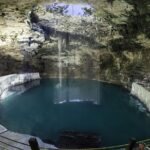
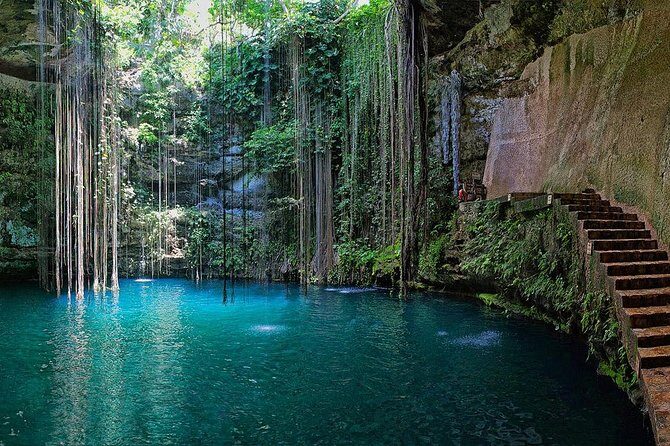
After Chichén Itzá, the day pivots into water. Cenote Ik Kil is included, and you’ll have access to the cenote swim with life jacket and lockers included, which is a big comfort factor.
This isn’t a quick photo stop. You’ll have time to swim, cool off, and treat the cenote like a reset button before the jungle ruins of Coba.
You should also think about what you’ll bring for practical comfort. One recurring tip: bring a towel. The provided information doesn’t list towels as included, so you’ll want to handle that yourself.
Food comes after the cenote, which also makes sense. You’re wet, you’re sunburn-prone if you’re careless, and you’ll likely feel hungry once you start moving again. A buffet lunch is part of the plan, and drinks include at least one included drink with lunch, with other drinks not included at the cenote restaurant.
And yes, it’s a popular cenote for a reason. The combination of the cool water, the enclosed setting, and the feeling of stepping away from Maya stone all makes it a smart halfway point.
Other cenote ik kil tours at Chichen Itza & the Yucatán
Coba ruins: jungle setting, big pyramid rules, and what you can do with your time
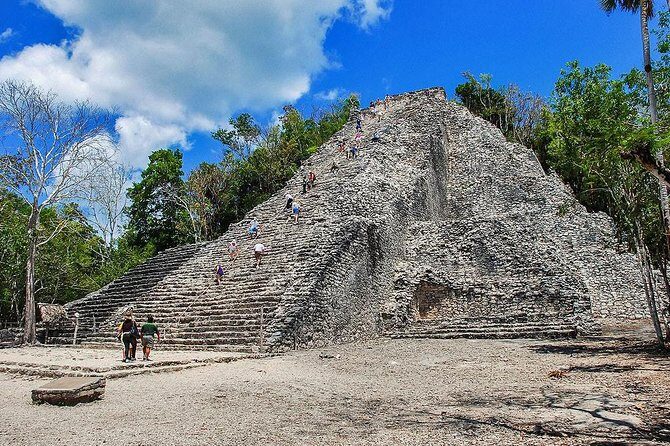
Coba is different from Chichén Itzá in the way it feels when you arrive. The center is preserved and rebuilt, but a lot of the wider site remains covered by the Yucatán jungle, so you’re walking among greenery rather than only among polished stone plazas.
Your guided time focuses on the main pyramid of Nohoch Mul and the significance of the road network here. That road system is a key part of Coba’s story because it hints at how people and goods moved across the region.
Important expectation-setting: climbing the Coba pyramid is not included or guaranteed. If climbing is a must-do for you, you should treat this as a maybe rather than a promise. The tour still gives you time to see the site and learn, just not a guaranteed summit.
If you’re not a “must climb” person, Coba can be the most relaxing stop. You get time to wander, take photos, and enjoy the jungle atmosphere with less of the big-site crowd pressure.
Transfers, transport comfort, and the small-group advantage
The tour uses air-conditioned minivans for transfers, and hotel pickup/drop-off is part of the deal. The one exception listed is Cancun and Costa Mujeres. If you’re staying there, you’ll need a different arrangement.
In a small group, the logistics tend to feel smoother. Fewer people means fewer delays, and it helps you keep momentum between stops. There are also mentions of groups traveling without the usual lines and crowd crush, which lines up with the early-arrival approach at Chichén Itzá.
One practical detail: breakfast is included but it’s a basic roadside-style start—juice, cookies, and a piece of fruit. That’s fine if you eat lightly in the morning, but if you’re the type who needs a proper breakfast, consider grabbing something extra before pickup.
In hot weather, the little things matter: ice-cold drinks are mentioned as part of the comfort on some departures, and most people describe the transport as comfortable enough for the long day.
Food and hydration: what’s covered, what to add
This tour includes:
- Breakfast: juice, cookies, and fruit
- Lunch: buffet lunch with one drink included
That’s a solid setup for a day like this. You won’t be buying every meal, and you’ll be fed before you’re deep into the ruins.
But don’t assume lunch will be a full-on feast with unlimited drinks. The information notes drinks at the Ik Kil restaurant are not included beyond what’s specified with the meal. So plan your water intake with care and bring what you prefer for sipping throughout the day.
Also, if you’re doing the cenote swim, you may feel hungry sooner than you expect. Even with lunch, you’ll likely want a small snack stash for the drive and the walk. Some people recommend bringing your own snacks, especially if you know you get low-energy during early starts.
Price and value: what you’re really paying for
At $165 per person for an approx 11-hour day, the question isn’t just sticker price. It’s what you don’t have to manage.
You’re getting:
- Hotel pickup and drop-off (in the listed Riviera Maya area)
- A professional guide
- Ik Kil entrance plus swim logistics (life jacket and lockers)
- Coba entrance
- Breakfast and buffet lunch (with one included drink)
The big extra cost is the Chichén Itzá access fee, which you pay in cash at pickup. Once you factor that in, you can see the value more clearly: you’re mostly covered on the day’s core paid items, and you’re paying for organized timing and guided interpretation, not just transportation.
The best value is for people who want maximum highlights in limited time and who also appreciate early access. If your priority is one site only, or you’re allergic to long days, you might prefer a shorter-focused plan. But if you want Chichén Itzá plus cenote swim plus Coba all in one shot, the pricing looks reasonable for what’s bundled.
Who this tour is best for (and who should skip it)
This fits best if you:
- Want a classic Yucatán day without planning every ticket and transfer
- Like guided interpretation at Chichén Itzá
- Are happy to handle a long day for three major stops
- Enjoy a cenote swim as a break from ruins
It may not fit if you:
- Hate early mornings and long drive days
- Need a strictly English-only experience (a few departures can be bilingual)
- Expect guaranteed pyramid climbing at Coba (it’s not included or guaranteed)
If you’re traveling as a couple, a small group of friends, or with older kids who can handle heat and walking, this tends to work well. Families sometimes like how the itinerary keeps moving without being chaotic, especially with a guide who helps manage photos and timing.
Should you book this Chichén Itzá, Ik Kil, and Coba small-group tour?
I’d book it if your ideal day is early and efficient, with guided context at Chichén Itzá, a real swim at Cenote Ik Kil, and a jungle-side Mayan experience at Coba. The small group cap (max 15) plus early arrival is the combination that makes this tour feel different from the typical all-day shuffle.
Before you go, do three things:
- Set expectations for an 11-hour day and pack for heat.
- Bring cash for the Chichén Itzá admission fee at pickup.
- Don’t count on climbing the Coba pyramid.
If those points match your travel style, this is a strong way to hit the Yucatán’s big three in one organized day.
FAQ
Do I need to pay extra for Chichén Itzá?
Yes. Chichén Itzá access is not included. You pay the mandatory Chichén Itzá admission fee in cash upon boarding.
Is Cenote Ik Kil admission included?
Yes. Cenote Ik Kil entrance is included, along with life jacket and lockers.
What about food and drinks on the tour?
You get breakfast (juice, cookies, and fruit) and a buffet lunch. Lunch includes one drink, and additional drinks at the cenote restaurant are not included.
Can I climb the Coba pyramid?
Climbing the Coba pyramid is not included or guaranteed.
How large is the group?
This is capped as a maximum of 15 travelers.
Where does pickup happen?
Pickup is available in the Riviera Maya from Moon Palace to Tulum, including Puerto Morelos and Playa del Carmen. Cancun and Costa Mujeres are excluded.
Is the tour offered in English?
English is offered.
Can I cancel for a full refund?
You can cancel up to 24 hours in advance of the experience start time for a full refund. Less than 24 hours before start time is not refundable.