REVIEW · VALLADOLID
Valladolid Tourist Shared Transport to Chichen Itza & Two Cenotes
Book on Viator →Operated by Xentour Mx · Bookable on Viator
Waking up early in Valladolid pays off here. This shared day trip links Chichén Itzá with two different cenotes, and the timing is built around avoiding the big tour rush. You get air-conditioned transport, straightforward help with arrivals, and enough time on-site to explore at your own pace.
Two things I’d call out right away: the small group limit (max 10) keeps the day feeling calm, and the plan to arrive first at Chichén Itzá can mean cooler temperatures and fewer people. One drawback to weigh: this is mainly transport + drop-off, not a full guided history lecture in the ruins. If you want a deep, uninterrupted explanation of every structure, you may need to arrange a guide at the site.
In This Review
- Key Highlights You’ll Feel Immediately
- From Valladolid to Chichén Itzá: The Morning Plan
- Your Time at the Ruins: Explore Without Getting Lost
- Cenote Stop #1: Xcajum and Its Swim Options
- Cenote Stop #2: Nool Ha’s More Rustic Feel
- Driver Hosts Like Ole or Mica: Help That Doesn’t Take Over
- Air-Conditioned Vehicle and Small-Group Comfort
- Price and Value: What $59.08 Covers (and What It Doesn’t)
- How the Day Flows: A Realistic 7–8 Hour Schedule
- What to Bring to Get the Most Out of It
- Who This Tour Fits Best (and Who Might Want a Different Style)
- Should You Book This Valladolid to Chichén Itzá and Two Cenotes Trip?
- FAQ
- Where does the tour start in Valladolid?
- What time does the trip begin?
- How long is the day trip?
- Is the transport shared, and how big is the group?
- What’s included in the price?
- Do I pay entrance fees separately?
- Which cenotes are visited?
- Is there a guide included at Chichén Itzá?
- What if weather is bad?
Key Highlights You’ll Feel Immediately
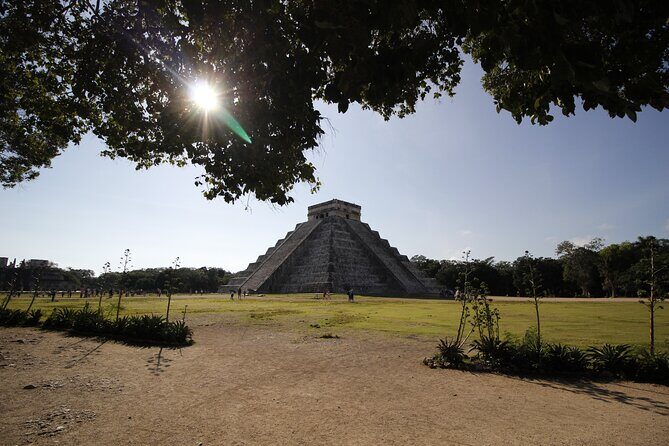
- Early arrival strategy at Chichén Itzá so you start before the big bus wave
- Hotel pickup option or a convenient downtown meeting point near Parque Principal
- Two cenotes in different settings instead of just one stop
- Small group size (up to 10) which keeps schedules smoother and photos less chaotic
- Entrance fees are separate so you control how you spend once you arrive
From Valladolid to Chichén Itzá: The Morning Plan
This starts in Valladolid very early. The activity begins at 7:00 am, typically with hotel pickup (or you can meet at the address listed near Parque Principal: México 295 195a, Centro). The route is all about getting you to Chichén Itzá while you still have the best odds for comfortable touring.
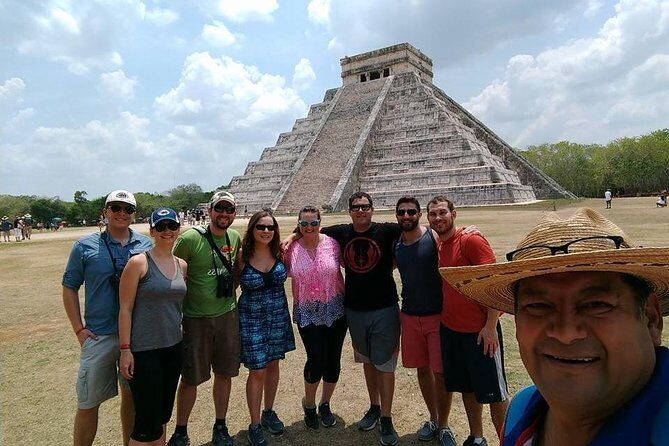
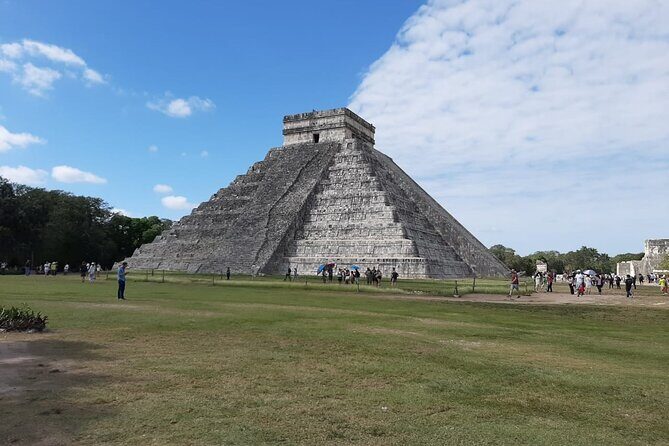
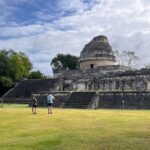
Chichén Itzá is one of those places where the timing can change your whole experience. When you arrive at opening, you’re more likely to walk through key areas with breathing room, not constantly weaving around groups. In the same way, the heat tends to ramp up quickly, so being there early helps you spend your energy looking instead of swatting sweat off your face.
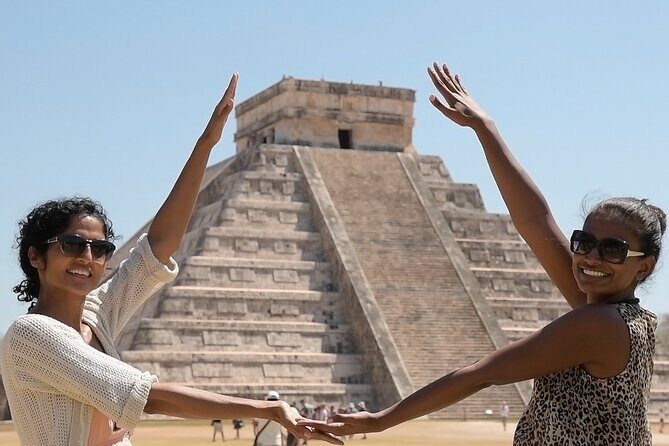
Also, you’re not stuck in a long, all-day bus line doing nothing. The transport is the core of the day: you’re driven out with an experienced driver, then you’re released to explore on your own during your Chichén Itzá window. Several people also liked that the day doesn’t feel like a rigid talking-to schedule. You can slow down for the views, take photos when the light hits, and wander without constantly getting tugged along.
Other chichen itza & cenote tours at Chichen Itza & the Yucatán


Your Time at the Ruins: Explore Without Getting Lost
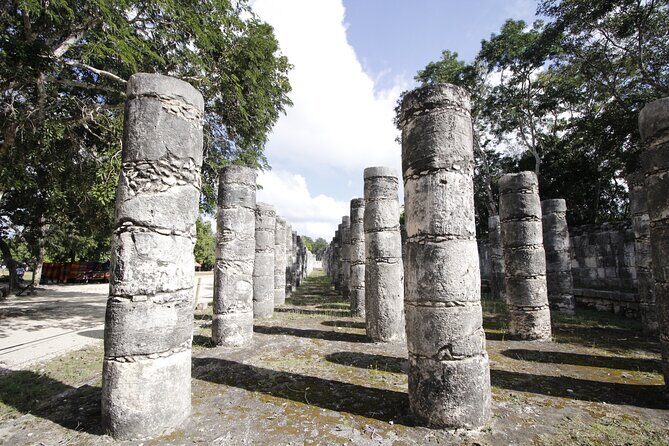
You’ll get a solid block of time at Chichén Itzá. Based on how the day plays for visitors, plan on around 2.5 hours to walk the site. That’s enough time to get a first look at the big highlights, take your time at the most photogenic spots, and still not feel rushed.
What you should know upfront: you’re not guaranteed a full, on-the-ground guide inside the ruins as part of the service. The driver/host role is more about logistics—helping with ticket lines, telling you where to go, and setting expectations for when to meet the vehicle again. One visitor expected a guide to explain the history and was surprised to find they were largely on their own. If you want the story of the temples, carvings, and calendar symbolism, you might consider hiring a guide on-site (some people do, and you’d pay separately).
That said, the day can still be great for independent travelers. If you like to roam, look first, and learn as you go (from signage, photos, or a later conversation), this format fits well. Just go in with the right mindset: you’re buying efficient transport and a smart schedule, not a guided lecture.
Cenote Stop #1: Xcajum and Its Swim Options
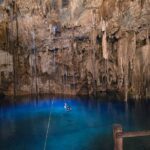
After Chichén Itzá, the day shifts from ruins to water. Your first cenote stop is Cenote Xcajum. This one tends to be the more “tourist-ready” of the two, with facilities that make it easier to plan your swim and time there.
You’ll have time on-site, usually long enough to change, swim, and relax a bit rather than treating it like a quick dip and dash. People have described it as stunning, with light bouncing off the stone walls in a way that feels special in person. Xcajum also comes with options—one review specifically mentioned a closed and an open option, so you’re not locked into a single swim style.
Two practical notes:
- Entrance and anything like food at Xcajum is not included. The listing says the cenote fee with food isn’t part of the package.
- This is still a shared-day format, so you’ll be there while other groups are around, even if the schedule helps you avoid the worst crowds.
Cenote Stop #2: Nool Ha’s More Rustic Feel
The final cenote is Cenote Nool Ha. This is the stop that often feels more remote and less staged. People describe it as beautiful, quiet, and in some cases they even report being there with almost nobody else.
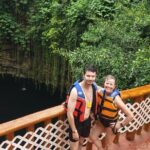
If you’re choosing between the two because you want variety, this one usually delivers the contrast: Xcajum is set up for visitors; Nool Ha can feel more rustic. One review mentioned a more rugged descent (including a wooden staircase) and that the life jacket situation wasn’t what you’d see at the smoothest, most modern facility. That doesn’t mean you shouldn’t go—it just means you should show up ready for a slightly rougher-edged experience.
If you’re the type who enjoys switching environments—temple morning, then one cenote with amenities, then a more natural-feeling swim later—this pairing is a big part of why the day works so well.
Driver Hosts Like Ole or Mica: Help That Doesn’t Take Over
In a format like this, the driver makes a real difference. You’ll be working with a certified driver with Spanish and basic English, and the host’s job is mainly to get you to the right places and keep the day flowing.
From the people who went, names like Ole and Mica come up repeatedly. The praise is consistent: friendly, welcoming, good at communicating the schedule, and helpful with tickets at the sites. One common theme is that they’ll point you toward what to do next—where to buy, when to return, and how much time you’ll likely need.
So yes, you’re largely free on-site, but you’re not totally left hanging. Even visitors who wanted independence still said the host helped them get oriented fast, including recommendations for cenotes and practical tips about what to bring and how to dress.
If you want lots of commentary about Mayan culture while you walk around, you might need to supplement. But if you want an efficient day with a kind, competent local driver who handles the moving pieces, this setup tends to shine.
Other chichen itza & valladolid tours at Chichen Itza & the Yucatán

Air-Conditioned Vehicle and Small-Group Comfort
You’ll ride in an air-conditioned vehicle, which matters because the weather in Yucatán can go from pleasant to intense quickly. The day is also long enough that comfort counts. A lot of the “value” here isn’t just where you go—it’s that you’re not doing the whole thing in cramped or uncomfortable transport.
The group size helps too. With a maximum of 10 travelers, you’re less likely to wait around for slow check-ins or feel boxed in by a giant group. And since the stops are timed around avoiding peak periods, smaller groups often mean you can actually enjoy the early atmosphere rather than just being the first group in line.
Price and Value: What $59.08 Covers (and What It Doesn’t)
The listed price is $59.08 per person. That price mainly covers the mechanics of your day: air-conditioned transport, driver, travel insurance, and hotel pickup (or meeting point), plus getting you to established places.
What you should budget separately:
- Chichén Itzá entrance fee: MX$697.00 per person
- Cenote Xcajum admission (food not included; the cenote fee with food is listed at MX$460.00 per person)
- Cenote Nool Ha admission: MX$250.00 per person
On paper, that separate-fee math adds up, but it’s typical for this region. The smart part is that you’re paying to access the big-ticket sites directly while keeping the day organized. You’re also not stuck paying for a full guided tour style package if you’d rather walk and explore on your own.
One more cost reality: Chichén Itzá may offer guided services on-site. Some visitors mention that if you want history explanations, you’d pay separately. That’s not a problem, just a planning point.
If you’re comparing options, this one often wins for people who want the sites plus freedom, and who like the idea of arriving early enough to enjoy them without wall-to-wall crowds.
How the Day Flows: A Realistic 7–8 Hour Schedule
This is listed at 7 to 8 hours. In practice, plan for a full morning start and a return later in the afternoon. The best part of the timing is the order: Chichén Itzá first, then the cenotes. Starting with the ruins means you hit your best crowd break before you’ve been in the sun for hours.
Once you arrive at each cenote, you’re not forced into one strict activity. You’re given time to swim and hang around. The experience format is more like a well-planned shuttle with knowledgeable help, not a tightly managed guided tour where you never stop moving.
That also means you should be honest with yourself about your priorities. If you’re the kind of traveler who likes to ask a lot of questions and wants answers immediately at the ruins, you might feel the gap. If you’re okay reading, wandering, and letting the place speak for itself, you’ll probably love the pace.
What to Bring to Get the Most Out of It
The basics are pretty straightforward, but the day mixes dust, sun, and water. Aim to bring:
- Sunscreen and something for sun protection
- Swimwear and a towel or quick-dry option
- Cash for entrance fees (the cenote and ruin fees are paid separately on site)
- Comfortable shoes for walking around Chichén Itzá
A small note: one review also mentioned a written or text-style set of recommendations ahead of time. So if you get any pre-trip message from the provider, treat it like a mini packing list.
Who This Tour Fits Best (and Who Might Want a Different Style)
This is a great match for:
- People who want efficient transport without committing to a full guided history tour
- Travelers who love early mornings and fewer crowds
- Couples or friends who like independence but still want the stress removed (tickets, timing, pickup/drop-off)
- Anyone who wants two cenotes with different vibes in one day
It might not be ideal for you if:
- You need a detailed guide walking with you through every structure at Chichén Itzá
- You strongly prefer a fully “guided museum-style” experience with constant narration
- You don’t feel comfortable with a more rustic descent at the second cenote
Should You Book This Valladolid to Chichén Itzá and Two Cenotes Trip?
Book it if you want a smart, cost-conscious way to hit the big names: Chichén Itzá plus two cenotes, with early timing that helps you enjoy the site instead of just surviving it. The small group size and the practical help from drivers like Ole or Mica are exactly what make this feel efficient without feeling like cattle.
Skip it (or plan to add a guide at Chichén Itzá) if you’re chasing deep explanations built into the walk. This is more about getting you there early and keeping the day flowing, while you do the exploring.
If your perfect day looks like temple mornings, water after, and time to wander without constant instruction, this shared transport approach is a strong choice.
FAQ
Where does the tour start in Valladolid?
Pickup is available at your hotel where you’re staying, or you can meet at México 295 195a, Centro, Valladolid, in front of the downtown park next to the Maria de la Luz hotel.
What time does the trip begin?
The start time is 7:00 am.
How long is the day trip?
It’s listed as about 7 to 8 hours.
Is the transport shared, and how big is the group?
Yes. It’s a shared experience with a maximum of 10 travelers.
What’s included in the price?
Included are an air-conditioned vehicle, a certified driver (Spanish / basic English), travel insurance, visits to established places, and hotel pickup.
Do I pay entrance fees separately?
Yes. Entrance fees are not included for Chichén Itzá or either cenote.
Which cenotes are visited?
Cenote Xcajum and Cenote Nool Ha.
Is there a guide included at Chichén Itzá?
The service is mainly transportation with help like ticket guidance and timing. A full on-site guide with history explanations is not listed as included, though you might find guide services available at the ruins for an additional fee.
What if weather is bad?
The experience requires good weather. If it’s canceled due to poor weather, you’ll be offered a different date or a full refund.